“`html
New York Mandates Warning Labels on Social Media Platforms
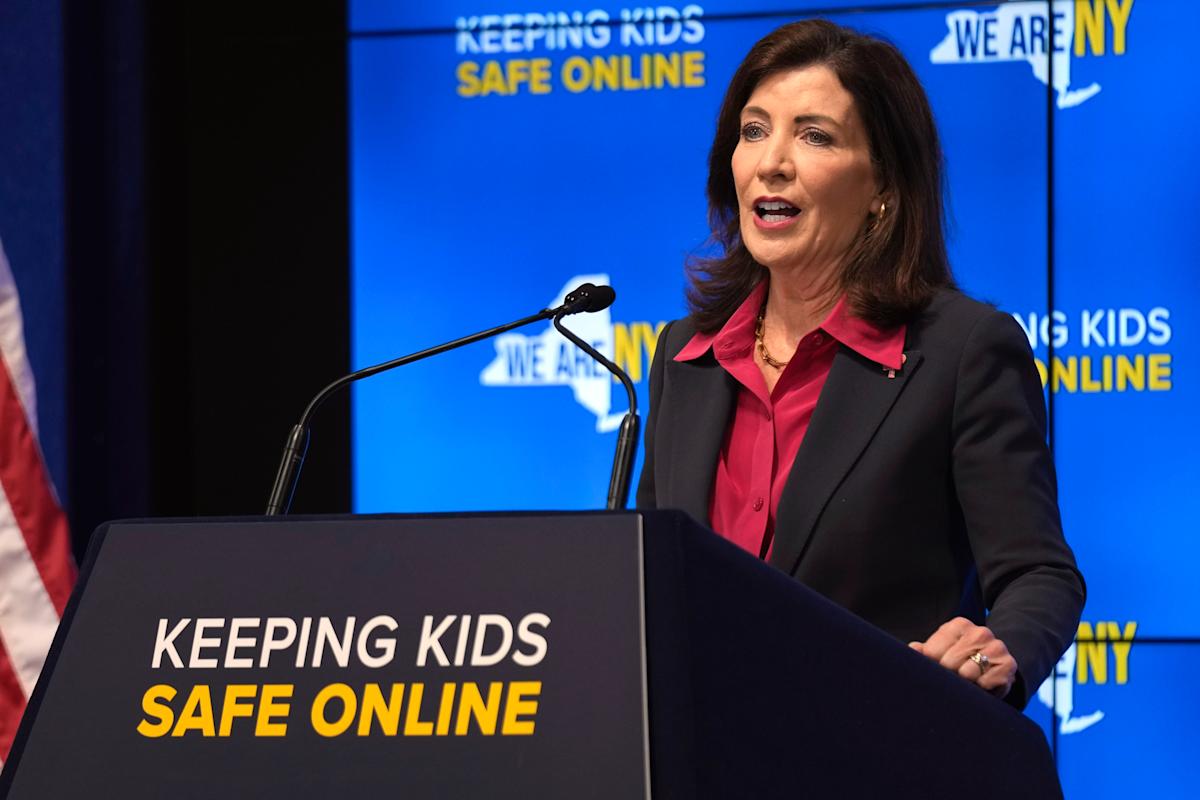
The State of New York has enacted a new law requiring social media platforms to display warning labels that highlight potential mental health risks for young users. This legislation, passed by the New York Legislature in June and signed into law by Governor Kathy Hochul, aims to address growing concerns over the impact of social media on youth well-being. As digital platforms increasingly shape the social landscape, the need for protective measures has become more pressing.
Under the new law, social media platforms that incorporate features such as infinite scrolling, autoplay, like counts, or algorithmically generated feeds will be obligated to display these warning labels. The labels are intended to inform users about the potential dangers associated with excessive use of these features, particularly for younger audiences. The requirement mandates that social media companies display warning labels when users first interact with any of the identified features deemed potentially harmful. Additionally, these warnings will reappear periodically during the user’s engagement with the platform.
Governor Hochul stated, “Keeping New Yorkers safe has been my top priority since taking office, and that includes protecting our kids from the potential harms of social media features that encourage excessive use.” This statement underscores the administration’s commitment to safeguarding the mental health of young individuals and reflects a broader societal concern regarding the digital age’s impact on youth.
The Growing Concern Over Social Media and Mental Health
This legislation is part of a broader trend where governments are increasingly scrutinizing the influence of social media on mental health, particularly among youth. Concerns regarding the psychological effects of social media have led to similar legislative efforts in other regions. For instance, California has proposed a bill mirroring New York’s initiative, reflecting a growing recognition of the need for protective measures. The urgency of this issue has been amplified by statements from health officials, including the U.S. Surgeon General, who has advocated for the implementation of warning labels on social media.
Research indicates that excessive use of social media can lead to various negative outcomes, including anxiety, depression, and diminished self-esteem. According to studies, the factors contributing to these outcomes may include:
- Cyberbullying: The anonymity of online interactions can lead to harassment and bullying, significantly affecting mental health.
- Social Comparison: Constant exposure to curated online personas can lead to unhealthy comparisons, fostering feelings of inadequacy.
- Pressure to Maintain an Online Persona: The need to present a perfect image can create stress and anxiety among young users.
As these issues gain prominence, the conversation surrounding the mental health implications of social media is likely to evolve. The Surgeon General’s office has highlighted data linking social media usage to increased rates of anxiety and depression among young people, emphasizing the need for transparency and awareness regarding the risks associated with these platforms.
International Regulatory Trends
New York’s initiative is not an isolated case; it reflects a global shift towards regulating social media to protect younger users from potential harm. Australia has taken a significant step by becoming the first country to impose a ban on social media usage for children under a certain age, with Denmark expected to follow suit. These developments indicate a growing recognition of the need for regulations that prioritize the mental health of young individuals worldwide.
In Europe, the General Data Protection Regulation (GDPR) has set a precedent by including provisions aimed at protecting minors online. The regulation emphasizes the need for parental consent for data processing activities involving children, thereby indirectly addressing some of the concerns related to social media usage and mental health. As countries grapple with the implications of digital technology on society, the push for comprehensive regulations is likely to intensify.
Implications for Social Media Companies
As the law takes effect, social media companies will need to adapt their platforms to comply with the new requirements. Major platforms like Meta (formerly Facebook), Snap, and TikTok will be expected to implement these warning labels promptly. The companies have been contacted for comments regarding the new legislation, and updates will be provided as responses are received. This regulatory pressure is likely to catalyze a broader reevaluation of how these platforms operate.
In addition to the warning labels, there is a growing call for social media platforms to enhance their safety features and provide resources for mental health support. Many advocates argue that platforms should take a more active role in promoting positive online experiences and mitigating the risks associated with their services. This could involve:
- Implementing robust reporting mechanisms: Allowing users to report harmful content easily.
- Offering mental health resources: Providing access to professional help and support networks directly through the platform.
- Promoting digital literacy: Educating users, especially young ones, about healthy online behaviors and the potential risks of excessive use.
Ongoing Dialogue and Future Directions
As the conversation surrounding social media and mental health continues to evolve, it remains crucial for stakeholders—including parents, educators, and policymakers—to engage in discussions about the role of technology in young people’s lives. The new law in New York represents a significant step towards addressing these concerns, but it also highlights the need for ongoing research and dialogue to ensure that the digital environment is safe and supportive for all users.
In conclusion, New York’s mandate for warning labels on social media platforms signifies a proactive approach to addressing the mental health challenges faced by young users. As similar initiatives gain traction in other states and countries, the conversation around social media regulation and its impact on youth is likely to intensify. This could prompt further actions aimed at promoting healthier online experiences and ensuring that digital platforms contribute positively to the well-being of their users.
“`